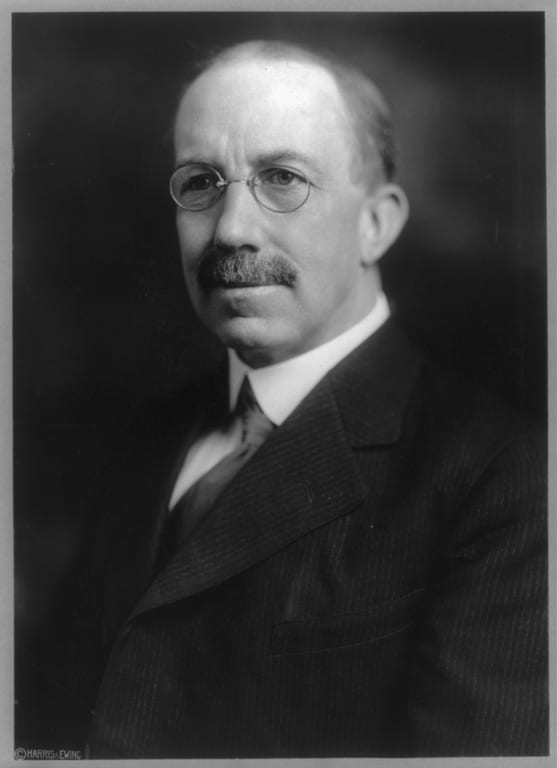
author
Wayne Bidwell Wheeler
1869–1927
A powerful organizer and strategist of the American prohibition movement, Wayne Bidwell Wheeler helped turn the Anti-Saloon League into a major force in national politics. His campaigns played a central role in securing the Eighteenth Amendment and shaping Prohibition-era America.
1 Audiobook
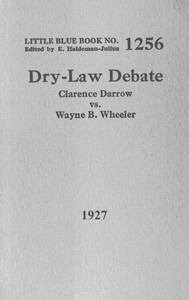
Dry-law debate : Clarence Darrow vs. Wayne B. Wheeler
by Clarence Darrow, Wayne Bidwell Wheeler
About the author
Born on November 10, 1869, in Brookfield Township, Ohio, Wayne Bidwell Wheeler began his career as a teacher before studying at Oberlin College and Western Reserve University, where he earned a law degree. In 1894, he joined the Anti-Saloon League as a field organizer and soon became one of its leading figures.
Wheeler developed a focused style of political activism that became known as “Wheelerism.” Through lobbying, media campaigns, strategic endorsements, and pressure on lawmakers, he built support for national Prohibition across party lines. His work helped bring about the Eighteenth Amendment in 1919 and the Volstead Act in 1920.
His influence declined as Prohibition became increasingly difficult to enforce, and he retired in 1927. Wheeler died of kidney disease in Battle Creek, Michigan, on September 5, 1927. He also wrote several works on Prohibition, including How to Enforce National Prohibition and Is Prohibition a Success after Five Years?.