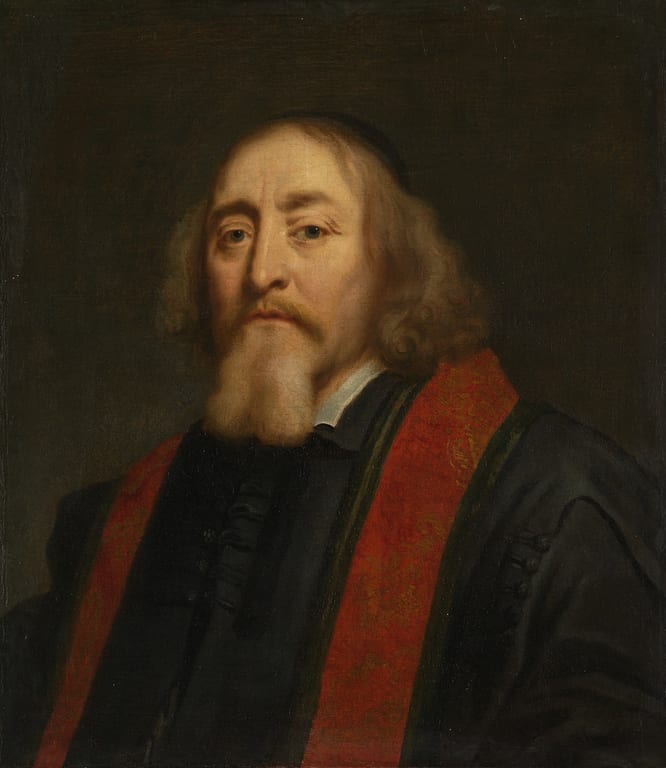
author
Jan Amos Comenius
A pioneering 17th-century educator, theologian, and philosopher, Jan Amos Comenius imagined a world where learning was open to everyone. His influential books helped shape modern teaching through clear methods, universal education, and the imaginative use of pictures.
1 Audiobook
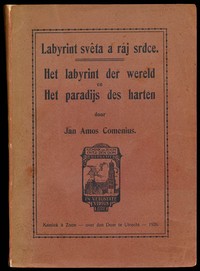
Het labyrint der wereld en het paradijs des harten
by Jan Amos Comenius
About the author
Jan Amos Comenius (1592–1670), also known as Jan Amos Komenský, was a Moravian educator, theologian, and philosopher. Born in what is now the Czech Republic, he lived through the upheavals of the Thirty Years’ War and spent much of his life in exile, working across Europe as a teacher, church leader, and educational reformer.
Comenius believed that education should be accessible to all people and adapted to the learner’s age and abilities. His vision of “pansophism,” or universal knowledge, aimed to bring together learning, moral development, and a fuller understanding of the world.
His major works include The Great Didactic, a systematic study of teaching, and Orbis Sensualium Pictus (The Visible World in Pictures, 1658), an early illustrated children’s textbook that joined images with words and helped make learning more engaging. He is widely remembered as one of the founders of modern education.