author
Public Library of Fort Wayne and Allen County
A cornerstone of northeastern Indiana’s literary and learning life, the Public Library of Fort Wayne and Allen County helped bring library service beyond the city and into communities across the county. Its legacy continues through today’s Allen County Public Library.
18 Audiobooks

A Soldier's Life on the Western Frontier in 1813
by Public Library of Fort Wayne and Allen County

Anthony Wayne, 1745-1796
by Randolph C. (Randolph Chandler) Downes, Public Library of Fort Wayne and Allen County

Scott's Wabash Expedition, 1791
by Public Library of Fort Wayne and Allen County

Cincinnati's "Old Cunny": A Notorious Purveyor of Human Flesh
by Linden F. (Linden Forest) Edwards, Public Library of Fort Wayne and Allen County

George Croghan
by Public Library of Fort Wayne and Allen County

The Allen County War Memorial Coliseum
by Otto H. (Otto Henry) Adams, Public Library of Fort Wayne and Allen County

General Harmar's Campaign
by Public Library of Fort Wayne and Allen County

Gene Stratton Porter, Best-Seller
by Public Library of Fort Wayne and Allen County

The Irish War
by David Burr, Public Library of Fort Wayne and Allen County

The French and British at Three Rivers
by Public Library of Fort Wayne and Allen County

St. Clair's Defeat
by Public Library of Fort Wayne and Allen County

Crawford's Defeat: A Tale of the Frontier in 1812
by Public Library of Fort Wayne and Allen County

Colonel Sion S. Bass, 1827-1862
by Public Library of Fort Wayne and Allen County

Diary of Captain John Cooke, 1794
by active 1792-1794 John Cooke, Public Library of Fort Wayne and Allen County

Some Historic Trees
by Public Library of Fort Wayne and Allen County
The Death of Captain Wells
by Allan H. (Allan Houston) Dougall, Public Library of Fort Wayne and Allen County
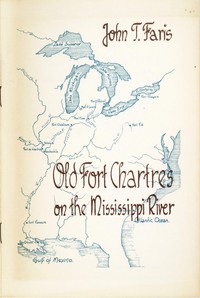
Old Fort Chartres on the Mississippi River
by John T. (John Thomson) Faris, Public Library of Fort Wayne and Allen County
General Anthony Wayne's Expedition into the Indian Country
by Public Library of Fort Wayne and Allen County
About the author
The Public Library of Fort Wayne and Allen County grew from the Fort Wayne Public Library, which opened in 1895 with 3,606 volumes in City Hall. In 1923, its service area expanded to include residents throughout Allen County, prompting the name Public Library of Fort Wayne and Allen County.
The library later developed into a broad community resource, offering books, research materials, educational programs, and access to local history. In 1980, an act of the Indiana legislature officially renamed it the Allen County Public Library.
Today, that institution includes the main library in downtown Fort Wayne and branches throughout the city and county. Its Genealogy Center, historical collections, and public programs have made it a valued destination for readers, researchers, and families exploring their communities and personal histories.